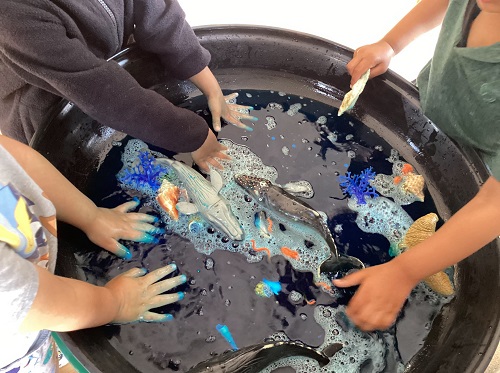
In Preschool 1 at RisingOaks Early Learning | John Sweeney, we created a calm-down nook where Simone set up a provocation using hanging flowers. In mid-April, we refreshed the space with a new provocation featuring sea creatures. The children were invited to colour the creatures however they liked, and those who participated demonstrated impressive hand-eye coordination—many even stayed within the lines, which pleasantly surprised Simone.
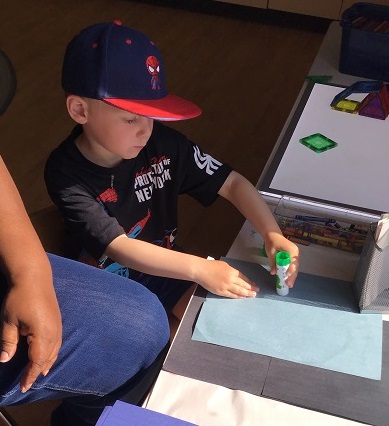
Curious to deepen the learning, Simone researched ocean life and discovered that the ocean is divided into five distinct zones. Inspired by this, and with the help of Harper and Levi, she used construction paper to represent the different layers of the ocean. Creating the Abyss Zone proved tricky, but with Jenny’s support, they mixed a dark enough blue to accurately represent its depth.
After completing the layering and labelling with Harper and Levi, Simone presented the display to the class. Together, they explored the Sunlit Zone and learned about some of the animals that live there. A few creatures especially caught Harper and her friends’ interest, and they’re eager to investigate them further in the coming weeks. The class also began learning about the Twilight Zone, Midnight Zone, Abyss Zone, and Trench Zone. In that day's documentation, we encouraged families to contribute anything they’ve learned about these fascinating ocean zones.
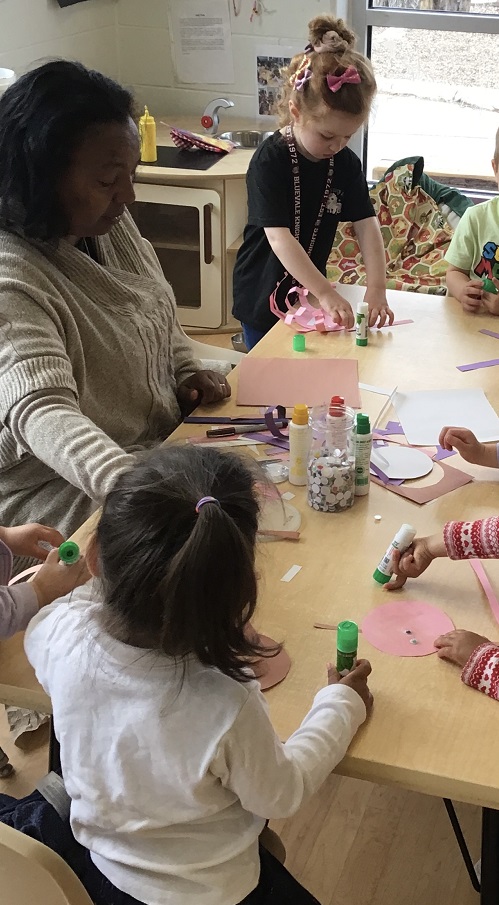
Tirhas engaged the children in related craft activities and also used technology to introduce various sea creatures in their natural habitats. One key focus was the coconut octopus, which lives in both the Sunlit and Twilight Zones. Simone led further exploration of the Trench Zone, where the children learned that creatures living there tend to be translucent due to the absence of sunlight. They were especially intrigued by the sea cucumber.
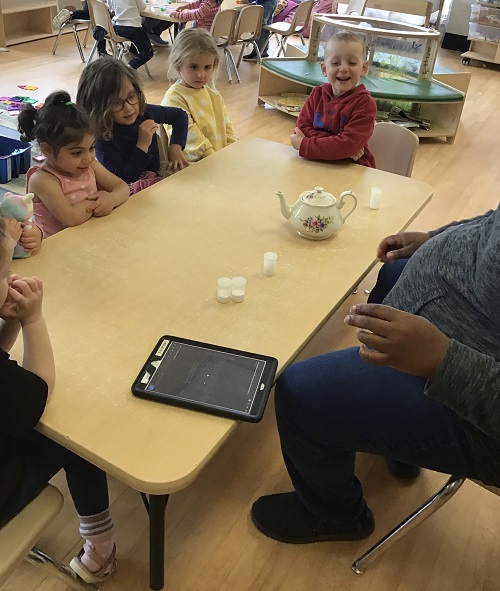
To build on their curiosity, we conducted an experiment to demonstrate the impact of deep-sea pressure. Using film canisters with vinegar and baking soda, the children observed how pressure can build and affect objects—helping them understand why humans can't travel to those depths without special equipment. The children approached this experiment with great focus and seriousness.
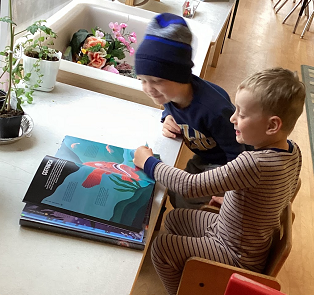
Harper also contributed by visiting the library with her mom. She was thrilled to find and bring in a book called Beasts from the Deep. When she introduced it to the class, she set clear boundaries, explaining that only two friends could view it at a time. At one point, while having her snack, Levi and Callum tried to sneak a peek—Harper noticed and quickly reminded them she was keeping an eye on them!
I truly appreciate how engaged the children have been with this ocean inquiry. They're absorbing the learning in both visual and auditory ways. While they may not grasp every concept fully just yet, it’s clear that much of it is resonating with them. Through repetition and a variety of meaningful experiences, they’re beginning to understand the importance of ocean conservation, the uniqueness of marine life, and are even making connections to land animals and dinosaurs.
This journey is far from over. We’re excited to continue exploring and expanding our understanding of the ocean’s mysterious zones—many of which, even as an educator, I had not known about until this year.