From January 19 to February 25, we went on a meaningful journey of learning about identity, respect, and belonging. Together we revisited the important ideas the children first expressed on September 30, 2025: that we are all important, special, loved, and kind. These ideas became the foundation for our conversations as we began introducing the children to learning about Black History Month.
Although Black History Month is recognized in February, we understand that meaningful learning takes time. Beginning earlier allowed the children to gradually explore ideas about identity, diversity, and respect in ways that felt natural and meaningful to them.
To support this learning, we provided books that the children could explore throughout the day. Among the books available were I Am Enough and Our Skin. Jidenna chose to spend time looking through I Am Enough. Perhaps it was the sense of adventure in the story that captured his interest. Meanwhile, Nicole picked up Our Skin, a book that explores the many different skin colours of people around the world. Nicole walked over to Tirhas and said, “Look, this is my skin colour, look.”
She then continued to carefully look through the pictures, noticing how everyone looked different. As she turned the pages, she paused on one image, smiled, and said, “That is me again.” This moment showed how children begin to recognize themselves within stories and images. It reminds us how important it is to create spaces where children can see their identities reflected and valued.
Throughout this time, the children appeared fascinated by this area of learning. While they continued to explore the regular book centre, these particular books sparked meaningful conversations about people from different cultures and backgrounds.
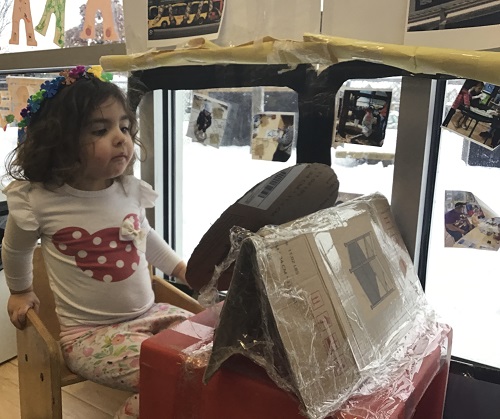
With the support of Jo and Velvet, we later introduced the story of Rosa Parks. This conversation helped the children begin to understand fairness, respect, and the importance of treating everyone equally. Through this story, we discussed how every person is important and deserves respect, and how kindness and understanding help ensure that unfair situations like the one Rosa Parks experienced do not happen again.
As the month passed, the bus in the classroom became a popular space for the children to revisit the story. When asked about it, the children shared their understanding by saying, “She was tired and she didn’t want to get up. She was also important and she didn’t need to give up her seat.” Hearing the children express these ideas in their own words showed how deeply they were engaging with the concept of fairness.
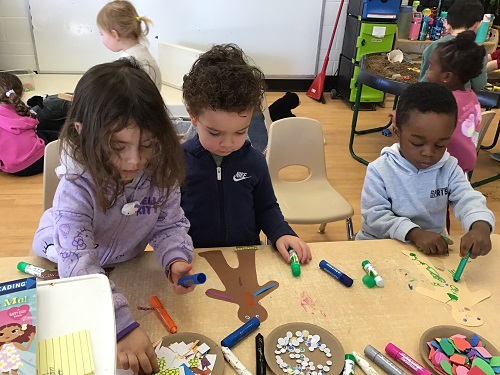
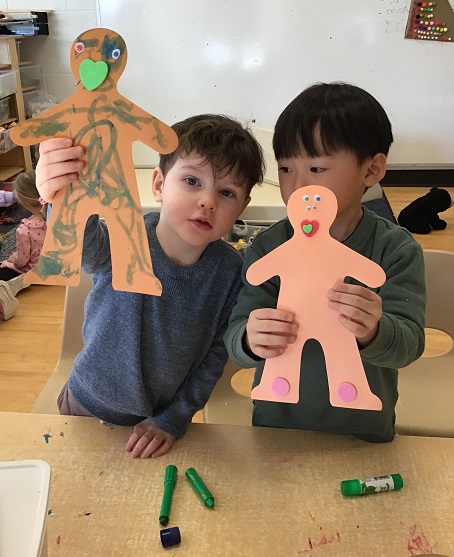
As our learning continued, we explored different activities inspired by some of our books, including I Love Being Me, which we have been reading with the children since September 2025. For this activity, we invited the children to choose a colour tone that they felt represented their own skin. They then used a variety of materials to create artwork showing what they love about themselves, like their, clothes, eyes, nose, hair, toes and mouth.
What always fascinates me as an educator is that many children will often choose a skin tone that is the opposite of their own until they are about three and a half years old. This observation continues to be an area of curiosity and research for me as an educator. Regardless, the activity was filled with colour and creativity. The children used the materials thoughtfully and expressed themselves in their own unique ways. Although the children worked independently, they were also collaborative. It was fascinating to see how each child interpreted the materials and presented their ideas.
Tirhas facilitated activities that helped the children explore different hair textures often associated with warmer countries. The children where shown that Black hair is often seen on people from warmer countries and sometimes appeared in the forms curls, braids, and plaits. During one moment, Natalie pointed to an image and shared that it looked like her, describing her black hair and the sparkles on her cheek. The children connected this experience with their previous conversations while reading the book Hair Love.
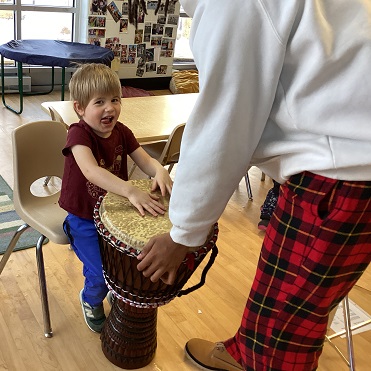
On February 25, we held a Black History Social and invited families to join us in the program. Carol from Acoustic Steel visited and introduced the children to the sounds and language of steel drums. She performed interactive songs and encouraged the children to participate, while her grandson supported her during the performance.
The children were enthusiastic and engaged throughout the entire half-hour experience. It was a beautiful moment filled with music, movement, singing, and learning. From the feedback we received, families appreciated the music, the food, and the knowledge the children were able to share about Black history.
As educators, we often plan experiences without knowing exactly how they will unfold. However, this celebration came together beautifully. It would not have been possible without the children’s enthusiasm, their willingness to participate, and the families who were able to join us.
Reflecting on this experience, it has been fascinating to observe what the children have retained and how their understanding continues to grow. Although this can be a complex topic, approaching it through the children’s perspectives and through the diversity present in our classroom since September has helped make the learning meaningful.
The language the children are beginning to use, their growing awareness of different perspectives, and their understanding of each other’s importance in this big world have all become visible within our classroom community. As we move forward, we will continue to create opportunities and provocations that help the children recognize that they are important and that they belong.