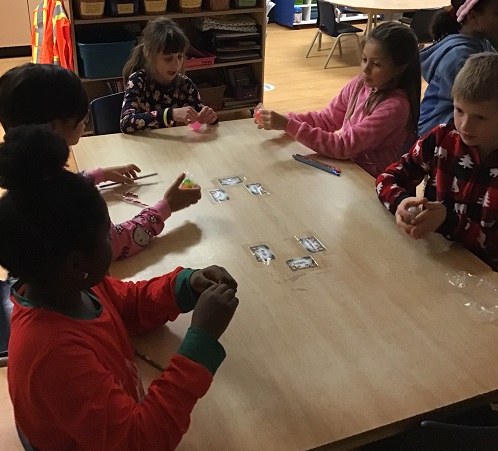
Over the past month, the children have shown a growing interest in creating and listening to calming and satisfying sounds during play. This interest first emerged after our class received sensory toys from Santa, including squishy balls and smooth sensory stones. The children began exploring the toys not only through touch, but also by noticing the subtle sounds they could make when squeezing, tapping, rubbing, or placing them together. They enjoyed showing each sound they discovered by having their friend listen and hold the toys near their friends ear, then they would stick the squishy toys together and pull them apart to create a popping noise.
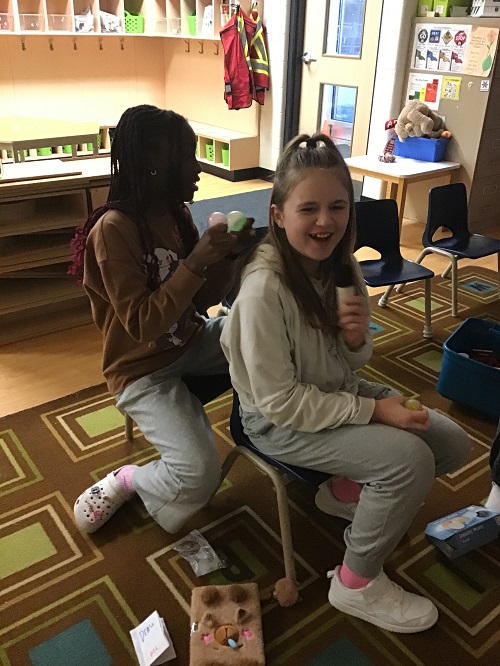
As this interest developed, the children started using classroom materials such as blocks and magnets to intentionally create soft tapping, clicking, and sliding sounds. They worked collaboratively, taking turns experimenting with different objects and comparing the sounds they produced. The friend making the sound would sit behind their friend who was sitting on a smaller chair in front. They created a spa-like system having the friends who got to listen act as customers. Some children naturally adopted roles as “ASMR makers,” while others became careful listeners, offering feedback such as “that one is quiet” or “that one sounds so satisfying.” These interactions reflected a shared sense of curiosity and respect for one another’s ideas.
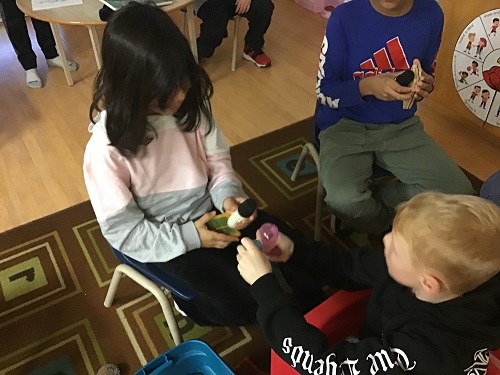
To extend this learning, Educator Christine introduced a mini karaoke machine. This addition sparked great excitement and deepened the children’s engagement. Using the microphone, the children recreated the sounds they had been making, inspired by ASMR-style videos previously viewed on YouTube. They experimented with volume, pacing, and proximity to the microphone, noticing how small changes affected the sound. The children demonstrated focus and patience as they waited for turns and supported one another by suggesting objects to try or encouraging peers to share their sounds.
This experience strongly supports the principles outlined in How Does Learning Happen? The children’s sense of well-being was evident as they engaged in calming, sensory-based play that supported self-regulation and emotional comfort. The quiet, intentional nature of the activity helped children feel relaxed and confident, particularly those who may not always seek loud or active play.
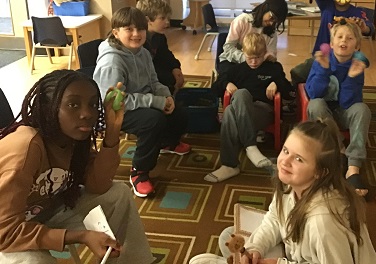
A sense of belonging was fostered as children collaborated, listened attentively, and valued each other’s contributions. The shared goal of creating pleasing sounds encouraged cooperation and strengthened peer relationships. Children felt included as both creators and audience members, knowing their participation mattered.
The high level of engagement was clear through the span of attention, problem-solving, and experimentation demonstrated throughout the activity. Children were deeply involved, motivated by their own interests, and eager to explore cause and effect through sound.
Finally, the activity supported expression by providing children with a unique and creative way to communicate ideas and emotions without words. Through sound-making, the children expressed creativity, curiosity, and personal preferences, using materials and technology as tools for meaning-making.
This ASMR-inspired exploration highlights how child-led, sensory-rich experiences can support holistic learning while nurturing wellness, connection, and joyful engagement within the classroom.