

The International Day of Pink is a world-wide movement to bring awareness to bullying, and ways that we can work together to prevent it. According to Public Safety Canada, bullying is defined as an act of intentional harm repeated over time in a relationship where an imbalance of power exists. This can take various forms, including physical, verbal and cyber (online).
When children from the school-age 2 program were asked how they can be kind or how do they act when someone is not kind to them. Jahmanuel shared his experience with us, “When someone made fun of my skin colour, I ignored him”. Neveah felt the need to complete her friend’s story by saying, "Stand up for your friend when he is getting upset by another friend”. Gabriel shared the beginning of a friendship with Oliver, “I asked if he wants to play with me, now we are best friends”.
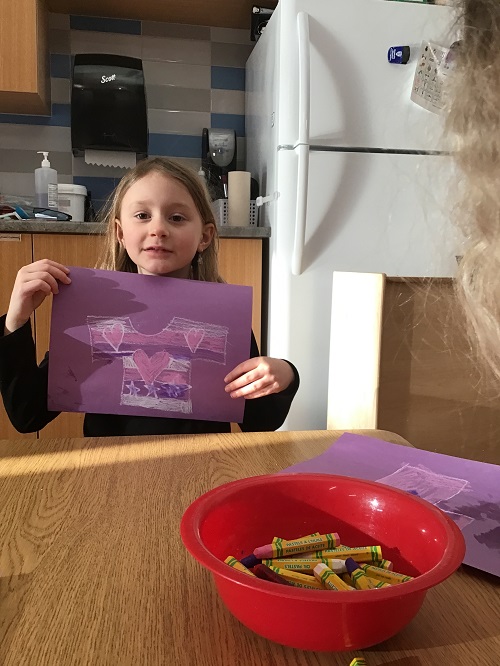
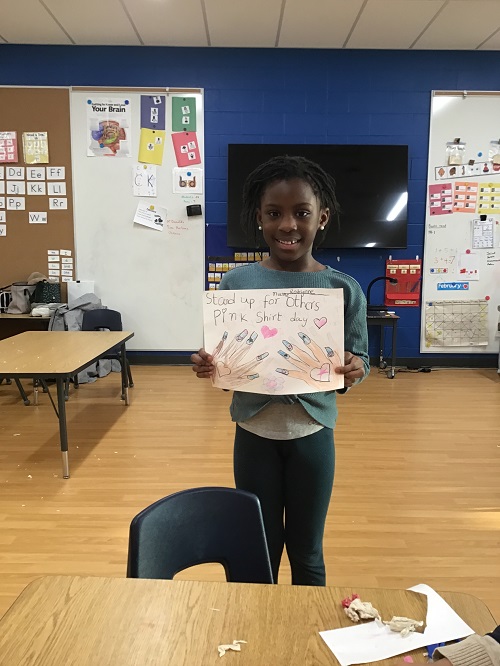
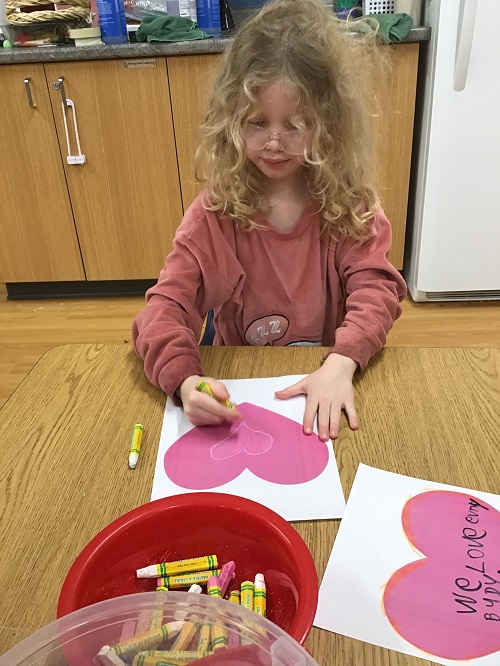
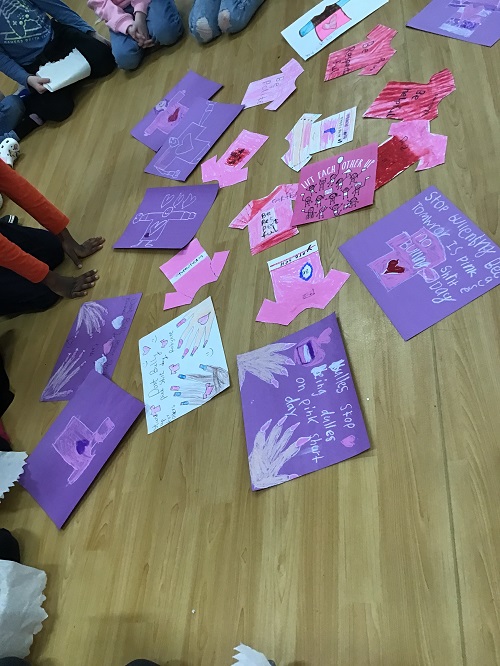
In program, we had several discussions about bullying. We shared personal stories that impacted us and we then created posters for a cause we believe in, to boost the power of sharing persuasive messages in a creative way. “Be helpful, be respectful, don’t bully”.
As much as we would like, we may not be able to completely eradicate bullying, but we can help our students to feel more empowered when they face cruelty from a classmate or a peer, and that could actually help cut down on the rates of bullying incidents in schools.
It turns out that when kids are equipped with strategies to respond to bullying, children feel more confident and in control of their situation, and children who know how to respond effectively are less likely to be targeted.
Educating our students about bullying can raise awareness and promote a culture of empathy and respect in the class, helping to prevent bullying from occurring in the first place.