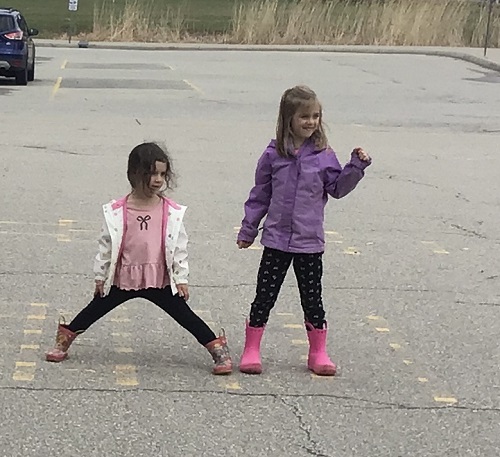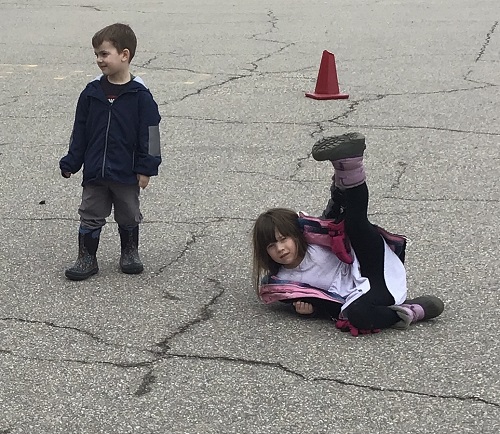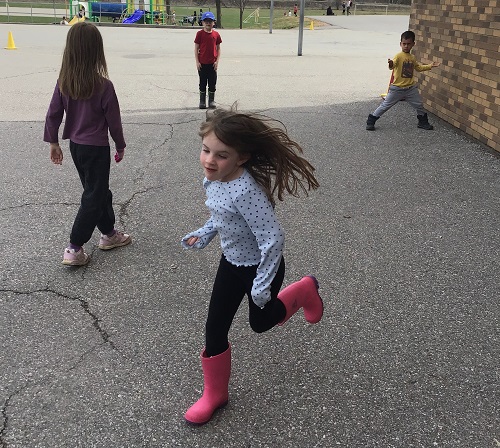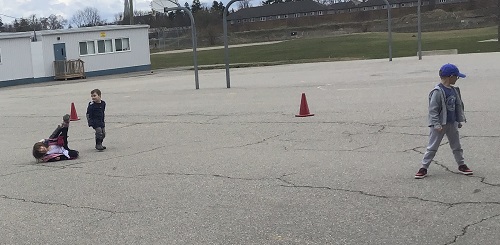
This month, with the warmer and more pleasant weather, more interactive group games were introduced to support peer-to-peer relationships. During one activity, educator Jess C explained the game and encouraged discussion by asking classmates if they had seen Night at the Museum. Many peers eagerly participated, raising their hands and sharing what they remembered about what the animals did at night. This led to a rich group discussion where children practiced listening, recalling information, and communicating their ideas.
This experience shows that interactive games can effectively promote social engagement, communication, and memory skills. The children demonstrated excitement and confidence when given opportunities to share their prior knowledge. Making connections to familiar media helped deepen engagement and encouraged more children to participate. It also highlights how peer-led discussions can strengthen relationships and build a sense of community within the group.
Moving forward, we might introduce more activities that connect to children’s interests, such as movies, stories, or shared experiences, to further enhance engagement. Encouraging quieter children to participate through small group discussions or structured turn-taking strategies can help ensure all voices are heard. We can also build on children’s memory and storytelling skills by asking open-ended questions like, “What do you think would happen next?” Additionally, extending the activity into creative play—such as acting out scenes or creating their own versions of the story—can deepen their understanding while supporting imagination and collaboration.