The School Age 2 group at RisingOaks Early Learning | St Nicholas enjoys being outdoors or in the gym, engaging in activities that involve big body movements. Even when indoors, they often gravitate toward games like tag using speed walking, gymnastics, or dancing—activities that allow them to move their whole bodies while developing their gross motor skills. However, it is equally important for the children to have moments of calm, where they can sit down, focus, and engage in more challenging tasks.
This Christmas, the group received several board games, which have been a valuable resource during these calmer moments and a significant role in children’s development by promoting cognitive, social, emotional, and language skills through structured play. Engaging in board games supports cognitive development by enhancing problem-solving abilities, strategic thinking, memory, attention, and early mathematical skills such as counting and number recognition. Additionally, these types of games foster language development by encouraging children to follow rules, communicate ideas, expand their vocabulary, and practice active listening.
From a social and emotional perspective, board games provide opportunities for children to learn cooperation, respect for rules, patience, and sportsmanship. They also support emotional regulation, as children experience both the concept of winning or losing, in a safe and supportive environment.
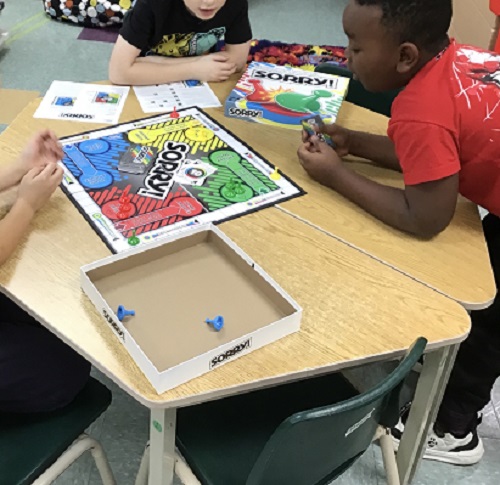
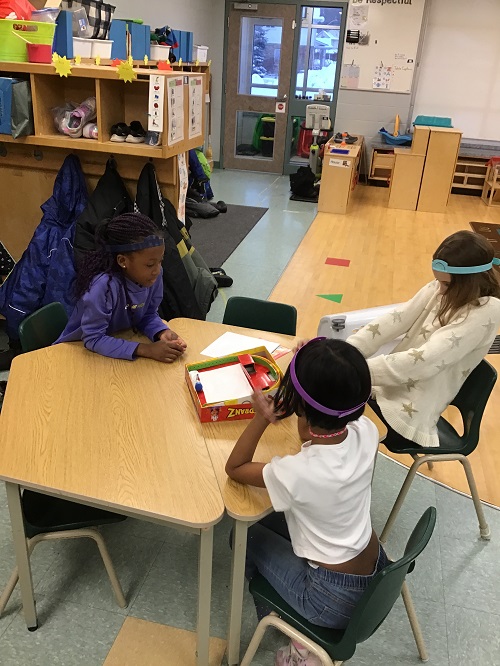
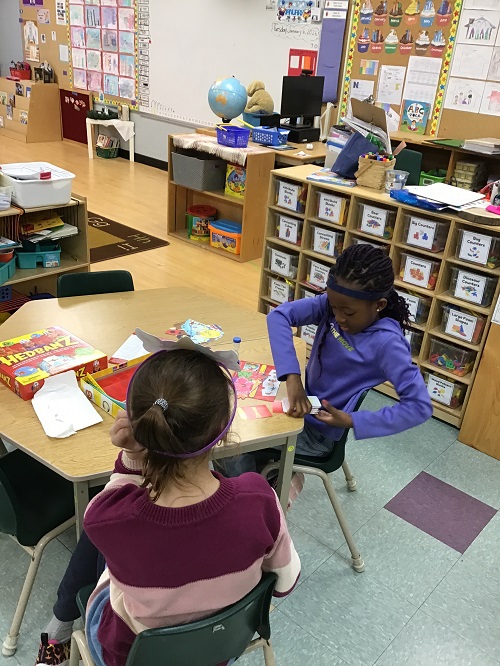
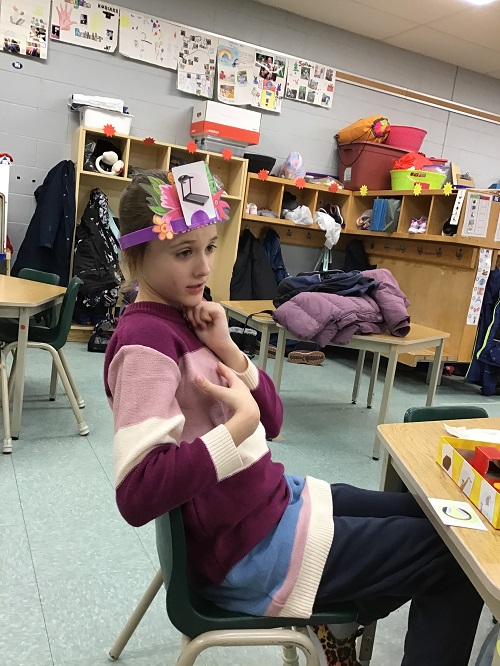
Among the board games introduced, two have been particularly successful. The first is Sorry, a game Owen had been asking for a long time and quickly became his favorite. Lucas and Samuel joined him, and together they spent an entire afternoon playing, using their cognitive skills to problem-solve, count, and follow rules. The second game is Hedbanz, which caught the attention of Glorianne, Catherine, and Megha. This collaborative game requires cooperation to succeed, and the children played it over multiple days, developing their attention, memory, and expressive language skills.
Furthermore, participation in board games strengthens executive functioning skills such as self-control, planning, flexibility, and goal-directed behavior—skills that are essential for academic success and everyday life. While winning was important to the children, they also practiced self-regulation and learned how to cope with losing.
We wonder what other cooperative board games we can incorporate into our program that will continue to foster these skills? Perhaps there is a game you can suggest for us to engage in.